Maximizing Efficiency in CNC Turning with Swiss Machining Techniques
Understanding Swiss Machining Techniques
What is Swiss Machining?
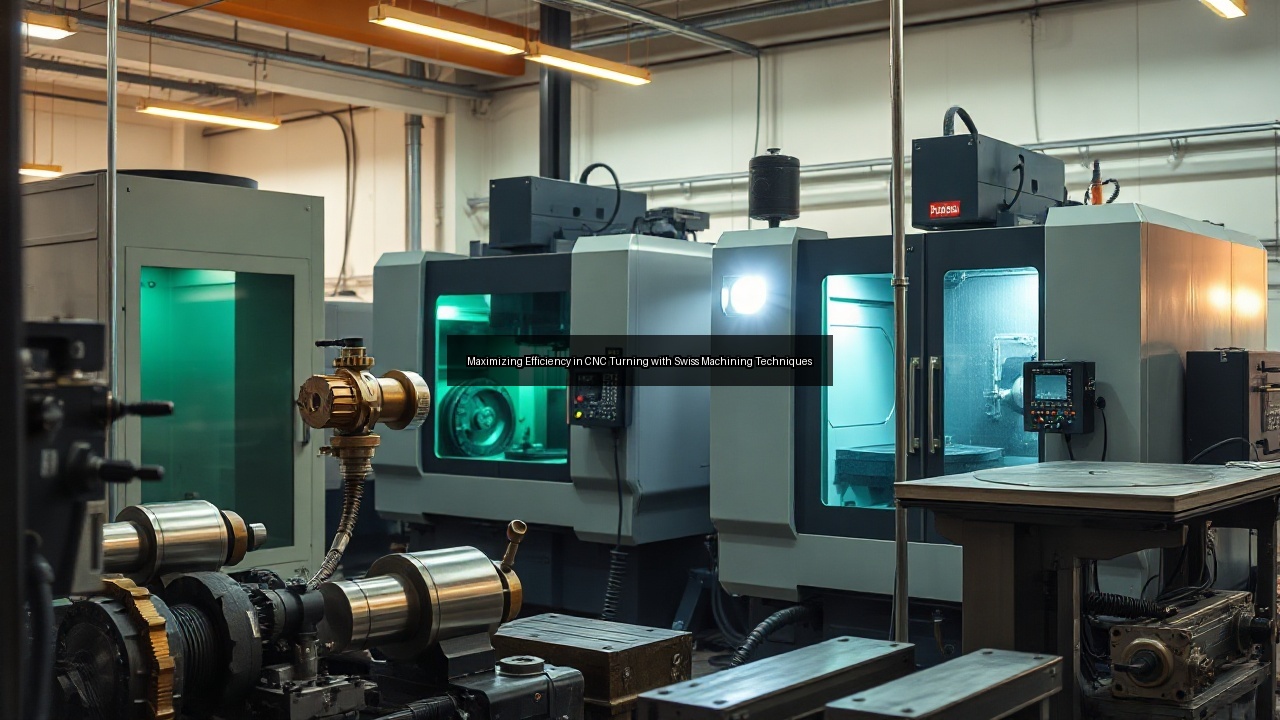
Swiss machining, a highly specialized form of CNC machining, excels in producing precision components with tight tolerances. Originating from the Swiss watchmaking industry, this technique utilizes a sliding headstock, allowing the workpiece to move along with the cutting tool. This process enables manufacturers to create intricate parts that often require complex geometries. Swiss machining stands out for its ability to handle small-diameter components, making it ideal for applications in aerospace, medical devices, and electronics. As a result, the demand for swiss machining services continues to grow, particularly among industries that prioritize precision and efficiency.
Key Features of Swiss Machining
Swiss machining boasts several key features that enhance its efficiency and precision. The most notable characteristic is the sliding headstock, which allows for continuous feeding of the material while the tool remains stationary. This design minimizes vibration and maximizes accuracy during the cutting process. Additionally, Swiss machines often come equipped with multiple spindles and axes, enabling simultaneous operations that reduce cycle time. Another essential feature includes the ability to produce parts with complex threading and intricate designs, providing manufacturers with the flexibility to meet diverse production needs. These features position swiss machining as a preferred choice for businesses seeking high-volume production with consistent quality.
Applications of Swiss Machining in CNC Turning
Swiss machining techniques find extensive applications in CNC turning, particularly for small, intricate components. Industries such as aerospace rely on Swiss machining for producing precision parts like pins and screws, essential for maintaining structural integrity in aircraft. Medical device manufacturers utilize this technique for its accuracy in creating components such as surgical instruments and implantable devices. Furthermore, electronics companies benefit from Swiss machining’s capability to produce small, complex parts required for circuit boards and connectors. The versatility and precision of Swiss machining make it a critical process in various sectors, where performance and reliability are non-negotiable.
Enhancing Efficiency in CNC Turning
Importance of Speed and Throughput
Speed and throughput are paramount in CNC turning, particularly in competitive manufacturing environments. Implementing Swiss machining techniques significantly enhances these factors. The ability to perform multiple operations simultaneously reduces cycle times, allowing manufacturers to increase productivity without compromising quality. High-speed machining capabilities enable the rapid processing of materials, leading to shorter lead times and improved workflow. Companies that prioritize speed and throughput can respond quickly to market demands, ultimately boosting profitability. By adopting Swiss machining methodologies, businesses elevate their operational efficiency, positioning themselves favorably in the fast-paced manufacturing landscape.
Utilizing CNC Machines and Lathes Effectively
Effective utilization of CNC machines and lathes plays a crucial role in maximizing efficiency in CNC turning. Operators must ensure that machines are correctly calibrated and maintained to avoid downtime. Implementing advanced programming techniques can streamline the machining process, allowing for quicker setup times and fewer errors. Moreover, integrating automation into the workflow enhances the capabilities of CNC machines, enabling them to operate continuously with minimal human intervention. By optimizing machine use, manufacturers can significantly improve their productivity, reduce operational costs, and enhance overall performance, ensuring they meet the demands of high-volume production.
Maximizing Accuracy with Tolerances
Achieving high accuracy with tolerances is essential in CNC turning, especially in industries requiring precision components. Swiss machining techniques excel in producing parts with tight tolerances, often as low as ±0.001 inches. By carefully selecting cutting tools and maintaining optimal machining conditions, manufacturers can enhance the accuracy of their machined parts. Implementing quality control measures, such as regular inspections and adherence to ISO 9001 standards, further ensures that products meet stringent specifications. Prioritizing accuracy not only minimizes waste and rework but also strengthens customer trust and satisfaction, making it a vital aspect of the CNC turning process.
Materials and Tools for Swiss Machining
Choosing the Right Cutting Tools
Selecting the appropriate cutting tools is fundamental to the success of swiss machining services. The choice of tool material and geometry affects the efficiency and finish of the machined parts. High-speed steel (HSS) and carbide tools are popular choices due to their durability and ability to maintain sharpness under high-speed conditions. Additionally, specialized tools designed for threading and complex shapes enhance machining capabilities, allowing for the production of intricate components. Manufacturers should also consider coatings that reduce friction and increase tool life, further optimizing the machining process. By investing in the right cutting tools, businesses can achieve better performance and higher-quality outputs.
Common Materials Used in Swiss Machining (Copper, Stainless Steel, Nylon, Acetal, PTFE)
Swiss machining accommodates a range of materials, each offering distinct advantages. Copper is favored for its excellent conductivity, making it ideal for electrical components. Stainless steel provides strength and corrosion resistance, crucial for applications in harsh environments, including aerospace and medical industries. Nylon and acetal are popular choices for non-metal applications, offering low friction and self-lubricating properties. PTFE, known for its exceptional chemical resistance, finds uses in applications requiring high durability. The versatility cnc machining services of materials in Swiss machining allows manufacturers to cater to diverse industry needs while ensuring quality and performance across the board.
The Role of Teflon in CNC Machining
Teflon, or PTFE, plays a significant role in CNC machining, particularly in applications requiring low friction and high chemical resistance. Its non-stick properties prevent material buildup on tools and workpieces, enhancing the machining process's efficiency. Teflon is often used in the production of seals, gaskets, and bearings, where durability and reliability are crucial. The ability to machine Teflon into precise shapes and sizes enables manufacturers to create components that withstand extreme conditions. Utilizing Teflon in CNC machining not only improves the performance of the end products but also contributes to the overall efficiency of the manufacturing process, making it a valuable material in the industry.
Implementing Best Practices for Swiss Machining Services
Quality Standards: ISO 9001 Compliance
Adhering to ISO 9001 standards is vital for maintaining quality in swiss machining services. This internationally recognized framework ensures that organizations consistently meet customer and regulatory requirements. Implementing ISO 9001 involves establishing a robust quality management system that emphasizes continuous improvement. Regular audits and performance evaluations help identify areas for enhancement, ensuring that machining processes align with industry best practices. Compliance with ISO 9001 not only boosts customer confidence but also enhances the company's reputation in the competitive manufacturing landscape. By prioritizing quality, businesses position themselves as leaders in the precision machining industry.
Logistics Management for Just-In-Time (JIT) Manufacturing
Effective logistics management is essential for implementing Just-In-Time (JIT) manufacturing in swiss machining services. JIT focuses on minimizing inventory levels while ensuring that materials arrive precisely when needed in the production process. This approach reduces waste and lowers costs while maintaining high-quality standards. Implementing JIT requires robust supply chain management and strong relationships with suppliers to ensure timely deliveries. By streamlining logistics, manufacturers can enhance operational efficiency and responsiveness to market changes. Adopting JIT principles in swiss machining not only optimizes resource utilization but also contributes to overall business agility and competitiveness.
Case Study: McCormick Industries' Use of Swiss Screw Machining
McCormick Industries exemplifies the successful implementation of swiss screw machining techniques in their production processes. Specializing in precision components for various industries, McCormick leverages advanced Swiss machines for enhanced efficiency and accuracy. The company’s focus on quality control, adherence to ISO 9001 standards, and effective logistics management has positioned them as a leader in the machining sector. By utilizing Swiss techniques, McCormick produces high-quality parts with complex geometries while maintaining competitive pricing and short lead times. This case study illustrates how adopting best practices in swiss machining can drive operational success and elevate a company's market position.
See Also
- Enhancing Product Quality with Advanced Swiss Machining Techniques
- From Spindles to Tools A Deep Dive into Swiss Machining Processes
- Custom Fabrication Solutions with Swiss Machining Expertise
- The Role of CNC Machines in Revolutionizing Swiss Machining
- Copper and Acetal in Swiss Machining A Material Perspective