Harnessing the Potential of Induction Motors in Customized Machinery
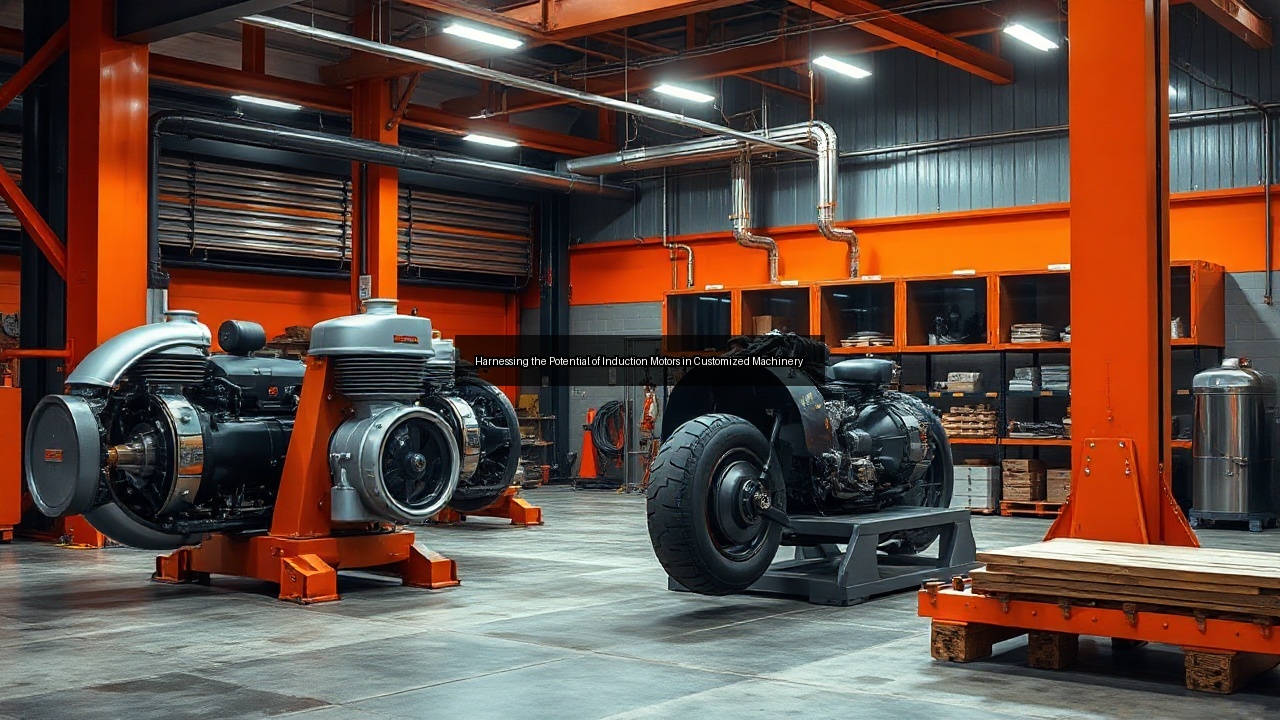
Understanding Induction Motors and Their Role in Customized Machinery
What Are Induction Motors?
Induction motors operate on the principle of electromagnetic induction to convert electrical energy into mechanical motion. These motors feature a stator that creates a rotating magnetic field and a rotor that follows without direct electrical connection. Manufacturers rely on induction motors for their simplicity and durability in demanding environments. Custom motors built around this design allow engineers to tailor torque, speed, and frame size to specific equipment needs. Electric motors of this type handle both alternating current supplies efficiently, making them staples in industrial settings. Companies seeking customized motors often start with induction technology because it supports reliable operation across varying loads without complex electronics.
Advantages of Induction Motors in Custom Applications
Induction motors deliver robust performance with minimal maintenance requirements, which benefits production lines that run continuously. Their squirrel-cage rotors eliminate brushes and commutators, reducing wear and extending service life. Custom motors derived from induction designs offer flexibility in voltage ratings and mounting configurations. Engineers integrate these units into specialized machinery where vibration resistance and overload capacity matter most. Electric motors built this way also provide high starting torque when paired with proper controls. Firms that order custom electric motor solutions appreciate the cost-effectiveness compared to more intricate alternatives, especially when scaling output for unique operational demands.
Comparison with Other Motor Types: Synchronous and Brushless DC
Synchronous motors maintain constant speed regardless of load, yet they require additional excitation systems that add complexity. Brushless dc motors excel in applications needing precise speed regulation through electronic commutation, but they incur higher costs and demand sophisticated drivers. Induction motors strike a balance by combining straightforward construction with solid efficiency under standard alternating current conditions. Custom motors often favor induction technology for heavy-duty tasks where brushless dc units would prove overengineered. Electric motors using synchronous designs suit power factor correction needs, while induction options prioritize reliability in variable environments. Selection depends on whether the project emphasizes simplicity or advanced control features.
Key Considerations for Designing Custom Motors
Defining Specifications for Custom Electric Motors
Engineers begin the design process by establishing exact power output, speed range, and environmental protections required for the application. Custom motors must match frame dimensions, shaft configurations, and thermal limits to integrate seamlessly with existing equipment. Detailed specification sheets guide material choices and winding patterns that affect overall performance. Electric motors tailored this way undergo rigorous testing to confirm compliance with industry standards. Teams document voltage tolerances and duty cycles early to avoid costly revisions later. Clear specifications also streamline communication between designers and manufacturing partners, ensuring the final product meets operational targets without excess features.
Integrating Precision Engineering in Custom Motor Design
Precision engineering shapes every aspect of custom motors, from rotor balancing to stator slot geometry. Advanced machining techniques produce components that minimize energy losses and vibration during operation. Designers apply tight tolerances to bearing seats and end bells to support extended service intervals. Custom electric motor projects benefit when teams employ computer-aided analysis to predict thermal behavior and electromagnetic performance. This approach reduces prototype iterations and accelerates delivery timelines. Manufacturers who prioritize precision engineering deliver units that maintain consistent output even under fluctuating loads or harsh conditions.
Selecting the Right Power Source: AC vs. DC Motors
Alternating current supplies power most industrial induction motors because they operate directly from grid sources without conversion losses. Direct current options, including dc motors, provide smooth speed control through voltage variation, which suits battery-powered or mobile setups. Custom motors designed for alternating current emphasize robust insulation and efficient cooling. In contrast, direct current variants require careful attention to commutator or electronic drive compatibility. Project teams evaluate available infrastructure before committing to either type. Electric motors matched correctly to the power source deliver optimal efficiency and reduce long-term operating expenses across diverse machinery installations.
Applications of Induction Motors in Customized Machinery
Utilizing Induction Motors in Truck Manufacturing
Truck assembly lines depend on induction motors to drive conveyor systems, paint booths, and hydraulic pumps. Custom motors fitted to these applications withstand continuous duty cycles and exposure to industrial contaminants. Manufacturers specify reinforced housings and enhanced cooling to handle the rigors of high-volume production. Electric motors in this sector often incorporate variable frequency drives for adjustable speeds that match workflow demands. Induction technology provides the torque needed to move heavy chassis components reliably. Integration of such motors improves throughput while maintaining energy efficiency throughout the manufacturing process.
Role of Induction Motors in Automation and Robotics
Automation cells and robotic arms utilize induction motors for base rotation and linear actuators where high reliability matters. Custom motors in these systems feature compact frames and integrated encoders for feedback loops. Electric motors of this type support rapid acceleration without overheating during repetitive cycles. Engineers design specialized windings that enhance responsiveness while preserving the inherent durability of induction construction. These motors also pair effectively with gear reductions to achieve precise positioning. Facilities that deploy customized motors in robotics report fewer downtime incidents and smoother integration with control software.
Designing Custom Motors for Industrial Generators
Industrial generators require motors that can serve as prime movers or auxiliary drives under continuous load. Custom motors built as induction units deliver steady power to turn alternators at synchronous speeds. Manufacturers select materials that resist heat buildup during extended operation. Electric motors in generator sets often include oversized bearings and enhanced ventilation to maintain performance. Induction designs provide cost advantages over synchronous motors for standby applications. Proper customization ensures compatibility with fuel systems and control panels that govern output stability.
Challenges and Solutions in Custom Motor Manufacturing
Inventory Management for Custom Electric Motors
Effective inventory management tracks specialized components such as custom laminations and winding wire for electric motors. Manufacturers maintain buffer stocks of common subassemblies while ordering unique parts only after order confirmation. Digital systems monitor lead times and forecast demand to prevent production delays. Custom motors benefit when suppliers align their schedules with assembly timelines. This strategy reduces carrying costs and minimizes obsolescence risks for low-volume variants. Strong inventory practices support faster turnaround on tailored projects without sacrificing quality control standards.
Addressing Common Issues in Induction Motor Production
Production challenges include maintaining consistent rotor casting quality and avoiding stator insulation defects. Custom motors demand extra attention during winding insertion to prevent shorts under high voltage. Teams implement in-process inspections and automated testing to catch deviations early. Electric motors that pass these checks demonstrate improved reliability once installed. Manufacturers also refine balancing procedures to reduce noise and vibration in finished units. Addressing these issues systematically leads to higher yields and stronger customer satisfaction with delivered custom motor solutions.
Future Trends in Custom Motor Development
Emerging trends point toward greater use of advanced materials and integrated sensors in custom motors. Digital twins allow virtual testing of designs before physical production begins. Electric motors will incorporate more connectivity features for predictive maintenance. Induction motors continue to evolve with improved efficiency ratings that meet stricter energy regulations. Manufacturers explore hybrid approaches that combine induction robustness with elements from brushless dc technology. These developments promise shorter lead times and enhanced performance for future customized motors across multiple industries.
Optimizing Performance of Custom Motors
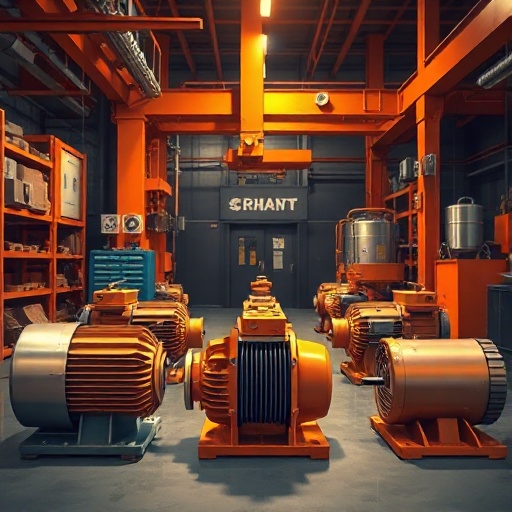
Enhancing Efficiency in Induction Motors
Efficiency gains come from optimized slot designs and high-grade magnetic steel that reduce core losses. Custom motors achieve better ratings when engineers refine air-gap tolerances and apply premium lubricants. Variable frequency drives further improve part-load performance by matching speed to demand. Electric motors tested under real operating conditions confirm these improvements translate into measurable energy savings. Regular maintenance, including alignment checks, sustains peak efficiency over time. Companies that focus on these optimizations lower operating costs while extending equipment lifespan.
The Importance of Gear Systems in Custom Machinery
Gear systems multiply torque and adjust output speeds to match application requirements. Custom motors paired with precision gear units deliver controlled motion for conveyors and mixers. Proper gear selection prevents overload on the motor shaft and improves overall system responsiveness. Electric motors benefit when gear ratios align with the motor’s torque curve for smooth acceleration. Manufacturers test combined assemblies to verify thermal and mechanical compatibility. This integration enhances reliability in heavy industrial environments where direct motor drive would prove insufficient.
Utilizing Servo Motor for Precision Tasks
Servo motor technology provides closed-loop control that achieves exact positioning in automated equipment. Custom motors incorporating servo elements support applications requiring rapid response and repeatability. Engineers combine servo motor drives with induction bases when high torque at low speeds is essential. Electric motors of this hybrid nature excel in packaging and assembly operations. Feedback devices monitor performance continuously, enabling real-time corrections. Facilities that adopt these solutions experience improved product quality and reduced scrap rates during production runs.
See Also
- From Concept to Creation How Custom Motors Transform Industries
- Unlocking the Power of Custom Motors for Your Unique Applications
- Understanding the Role of Gear Systems in Custom Motor Design
- The Future of Custom Electric Motors in the Era of Renewable Energy
- The Rise of Electric Motors in Custom Truck Manufacturing