From Concept to Creation the Journey of a Plastic Mold Manufacturer
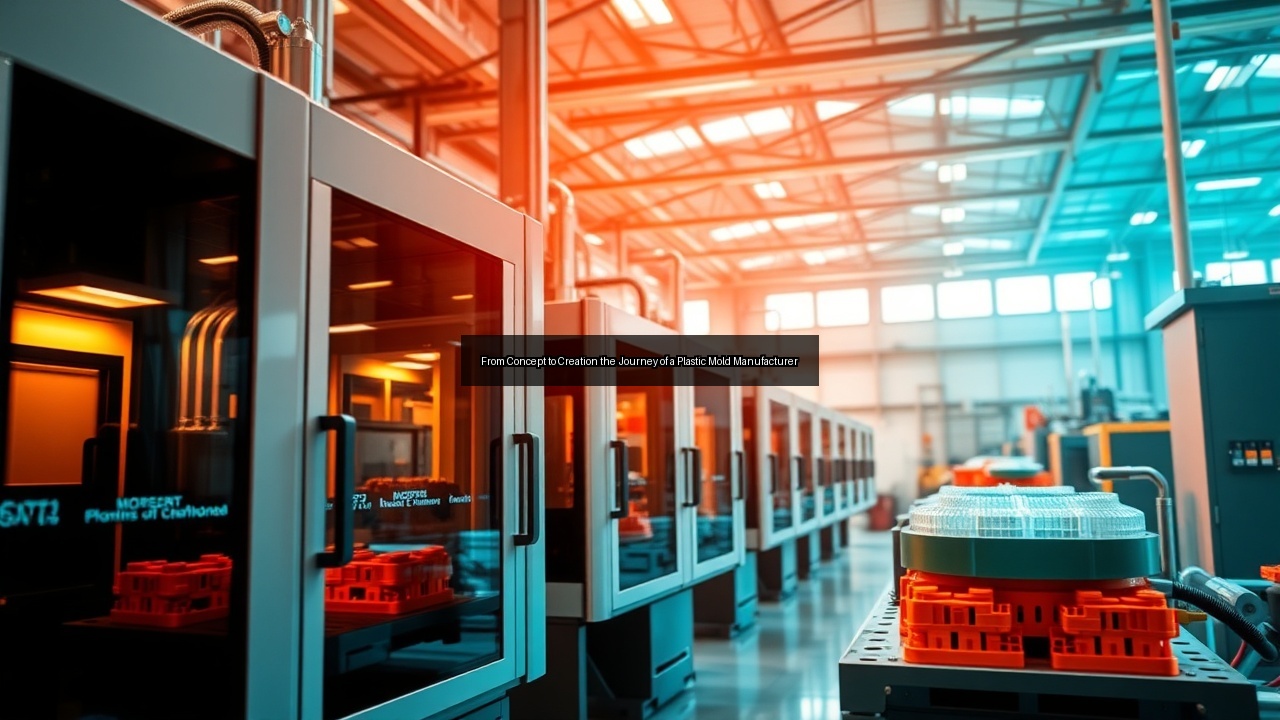
Understanding the Plastic Mold Manufacturing Process
Overview of Plastic Fabrication Techniques
A plastic mold manufacturer begins every project by selecting the right fabrication approach for the end product. Plastic fabrication covers multiple routes that shape raw materials into functional components. These routes range from cutting and forming sheets to high-pressure forming inside precision tools. Manufacturers evaluate part geometry, production volume, and surface finish requirements before committing to a method. This upfront decision directly influences tooling costs and cycle times. Plastic mold manufacturers maintain expertise across several techniques so they can recommend the most efficient path for each client. They also track material behavior under heat and pressure to avoid defects that appear later in assembly or use. Clear communication at this stage prevents expensive redesigns once tooling is underway.
Deep Dive into Injection Molding
Injection molding remains the core capability for most plastic mold manufacturers. The process forces molten material into a closed mold cavity under high pressure, then cools the part until it solidifies. Plastic mold manufacturers design molds with precise cooling channels and venting to achieve tight tolerances and minimal warpage. Cycle times often fall under thirty seconds for small components, which supports high-volume runs demanded by automotive and consumer electronics sectors. Engineers at these facilities calibrate machine parameters such as barrel temperature, injection speed, and back pressure on every new resin. They also perform mold flow simulations before cutting steel to predict fill patterns and air traps. This simulation step reduces trial runs and shortens lead times from concept to first production parts.
The Role of Thermoforming in Plastic Production
Thermoforming offers a cost-effective alternative when production volumes stay moderate or part sizes grow large. A plastic mold manufacturer heats a plastic sheet until pliable, then draws it over or into a mold using vacuum or pressure. The resulting thermoformed parts appear in packaging trays, equipment enclosures, and automotive interior panels. Plastic thermoforming requires less expensive tooling than injection molding because the molds operate at lower pressures. Manufacturers often combine thermoforming with secondary operations such as trimming, drilling, and welding to deliver finished assemblies. They select sheet thickness and material grade to meet impact and clarity specifications. Proper mold design includes draft angles and texture details that transfer cleanly during the forming step, ensuring consistent quality across every batch.
Key Materials in Plastic Mold Manufacturing
Types of Plastics Used in Manufacturing
Plastic mold manufacturers work with dozens of resin families, each offering distinct mechanical and thermal properties. Commodity grades such as polyethylene and polypropylene handle everyday containers and housings at low cost. Engineering resins like ABS, polycarbonate, and nylon deliver higher strength and heat resistance for demanding applications. Manufacturers maintain detailed material data sheets that list melt flow indices, shrinkage rates, and chemical compatibility. They match these properties to part performance requirements before finalizing the mold steel and surface treatments. When clients request flame-retardant or UV-stabilized grades, the plastic mold manufacturer adjusts processing parameters to maintain consistent color and mechanical integrity throughout the production run.
Understanding Thermoplastics and Their Applications
Thermoplastics dominate modern molding because they soften when heated and solidify when cooled, allowing repeated processing. A plastic mold manufacturer exploits this behavior to achieve fast cycle times and easy regrind usage. Common thermoplastics serve markets from medical devices to outdoor furniture. Manufacturers track viscosity changes across temperature ranges to set optimal fill speeds and packing pressures. They also monitor moisture content because many engineering thermoplastics absorb water that can cause splay or hydrolysis during molding. Proper drying protocols and closed-loop material handling systems protect part quality. Clients benefit when the plastic mold manufacturer suggests material substitutions that reduce cost without sacrificing performance or regulatory compliance.
Advantages of Using Injection-Molded Plastics
Injection-molded plastics deliver repeatable precision and complex geometry in a single operation. Plastic mold manufacturers achieve wall thicknesses as thin as 0.5 millimeters while maintaining structural ribs and snap-fit features. The process supports insert molding and overmolding that combine multiple materials or embed metal components. High cavitation molds multiply output per cycle, lowering per-part cost for mass production. Surface finishes range from high-gloss optical quality to textured grips that hide fingerprints. Because the plastic mold manufacturer controls every variable from resin drying to ejection, dimensional consistency stays within tight tolerances across thousands of cycles. These advantages explain why injection-molded components remain the default choice for high-volume plastic products.
The Lifecycle of a Plastic Mold
From Design to Prototype: The Initial Stages
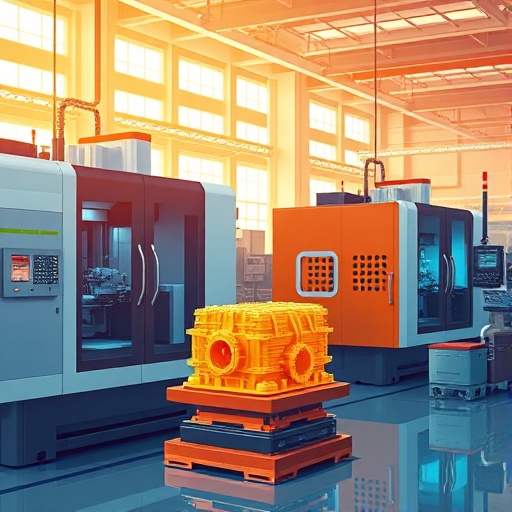
Every new project at a plastic mold manufacturer starts with part design review and moldability analysis. Engineers examine draft angles, undercuts, and wall thickness uniformity to identify potential molding issues early. They create 3D models of the mold, including runners, gates, and cooling circuits, then run filling and cooling simulations. Once the design receives approval, the team machines aluminum prototype molds for low-volume sampling. These prototype tools allow clients to test form, fit, and function before committing to hardened steel production molds. The plastic mold manufacturer documents all changes during this phase so the final tool reflects validated geometry and processing conditions.
Manufacturing the Mold: Techniques and Technologies
Production mold manufacturing combines CNC milling, EDM, and polishing to achieve the required surface quality and dimensional accuracy. A plastic mold manufacturer selects tool steel grades based on expected shot life and resin abrasiveness. Multi-axis machining centers cut complex cavities while wire EDM creates fine details and sharp corners. After rough machining, technicians perform heat treatment to reach target hardness, followed by finish grinding and hand polishing. Hot runner systems and conformal cooling channels are integrated where cycle time reduction justifies the added complexity. Throughout the build, the plastic mold manufacturer records every measurement and test result to ensure the finished mold matches the approved design specifications.
Quality Control in Mold Production
Quality control checkpoints occur at every stage of mold fabrication. Plastic mold manufacturers use coordinate measuring machines to verify critical dimensions against CAD data. They also perform mold trials on the press to confirm fill, cooling, and ejection behavior. Cavity pressure sensors and temperature probes provide real-time data that fine-tunes processing parameters. After the mold passes dimensional and functional checks, the manufacturer conducts a capability study on sample parts to demonstrate statistical process control. Final documentation includes maintenance schedules and spare part lists so production teams can keep the tool running efficiently for its full service life.
Challenges Faced by Plastic Mold Manufacturers
Common Issues in the Injection Molding Process
Even experienced plastic mold manufacturers encounter defects such as sink marks, flash, and short shots. These issues often trace back to unbalanced filling, inadequate venting, or incorrect packing pressure. Manufacturers address sink by adjusting gate location or adding flow leaders inside the mold. Flash removal requires precise parting line maintenance and clamp force calibration. Short shots demand higher melt temperature or faster injection speed. Each fix undergoes validation through additional sampling and measurement. The plastic mold manufacturer records root causes and corrective actions to build a knowledge base that speeds troubleshooting on future projects.
Navigating Supply Chain Obstacles
Global events can disrupt resin availability and steel deliveries that plastic mold manufacturers depend on. Lead times for specialty tool steels sometimes stretch beyond twelve weeks. Manufacturers mitigate risk by qualifying multiple suppliers and maintaining safety stock of common grades. They also work with clients to approve alternate resins that meet performance targets when primary materials become scarce. Clear communication of updated schedules helps downstream assembly lines plan around potential delays. The plastic mold manufacturer that maintains strong supplier relationships and flexible sourcing strategies keeps projects on track despite market volatility.
Sustainability Concerns in Plastic Fabrication
Plastic mold manufacturers face increasing pressure to reduce waste and incorporate recycled content. Regrind usage requires careful monitoring because repeated processing can degrade mechanical properties. Manufacturers install closed-loop systems that separate and reprocess runner scrap within the same facility. They also evaluate bio-based and recycled resins that maintain moldability while lowering environmental impact. Design for recyclability guidance helps clients create parts that disassemble easily at end of life. By tracking energy consumption during molding and optimizing cycle times, the plastic mold manufacturer reduces both costs and carbon footprint without compromising part quality.
The Future of Plastic Mold Manufacturing
Emerging Technologies in Plastics Molding
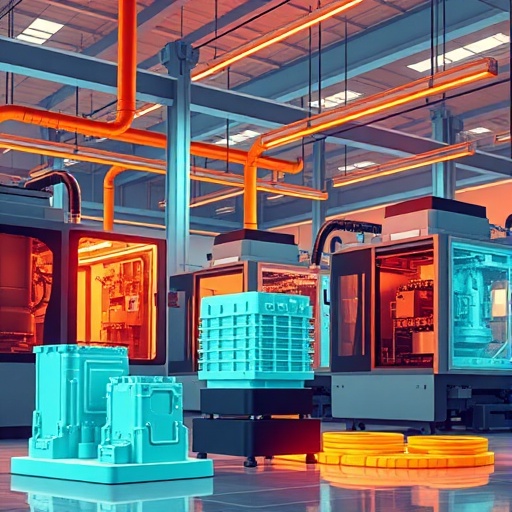
Additive manufacturing now produces conformal cooling inserts that improve heat transfer inside molds. Plastic mold manufacturers integrate these 3D-printed components into conventional steel tools to shorten cycle times by up to thirty percent. Real-time process monitoring through embedded sensors feeds machine learning algorithms that predict and prevent defects before they occur. Digital twin models of the entire molding cell allow virtual optimization of parameters before any physical trials begin. These technologies expand the capabilities of the plastic mold manufacturer while reducing development time and material waste.
The Impact of Industry 4.0 on Manufacturing
Industry 4.0 connects molding machines, robots, and quality systems into a single data network. Plastic mold manufacturers use this connectivity to track overall equipment effectiveness and schedule predictive maintenance automatically. Cloud platforms aggregate production data across multiple plants, revealing patterns that drive continuous improvement. Automated guided vehicles move finished parts from press to secondary operations without manual handling. The plastic mold manufacturer that adopts these connected systems gains visibility into every variable affecting part quality and delivery performance, supporting faster response to customer demand changes.
Trends in Eco-Friendly Plastic Solutions
Eco-friendly initiatives push plastic mold manufacturers toward mono-material designs that simplify recycling. They also develop molds optimized for thin-wall molding that reduces material usage per part. Chemical recycling partnerships allow recovery of high-value resins from post-consumer waste streams. Manufacturers test these recycled materials in production tools to confirm they process identically to virgin grades. Lightweighting through structural foam or gas-assist techniques further lowers resin consumption while maintaining strength. The plastic mold manufacturer that leads in these sustainable practices helps clients meet regulatory targets and consumer expectations for responsible plastic products.
See Also
- Top Trends Shaping the Plastic Mold Manufacturing Landscape
- How to Choose the Right Plastic Mold Manufacturer for Your Needs
- The Future of Thermoforming and Its Impact on Plastic Molding
- The Role of Advanced Technology in Modern Plastic Mold Manufacturing
- Sustainable Practices in the Plastic Mold Manufacturing Industry