The Future of Compression Molding in the Age of Smart Manufacturing
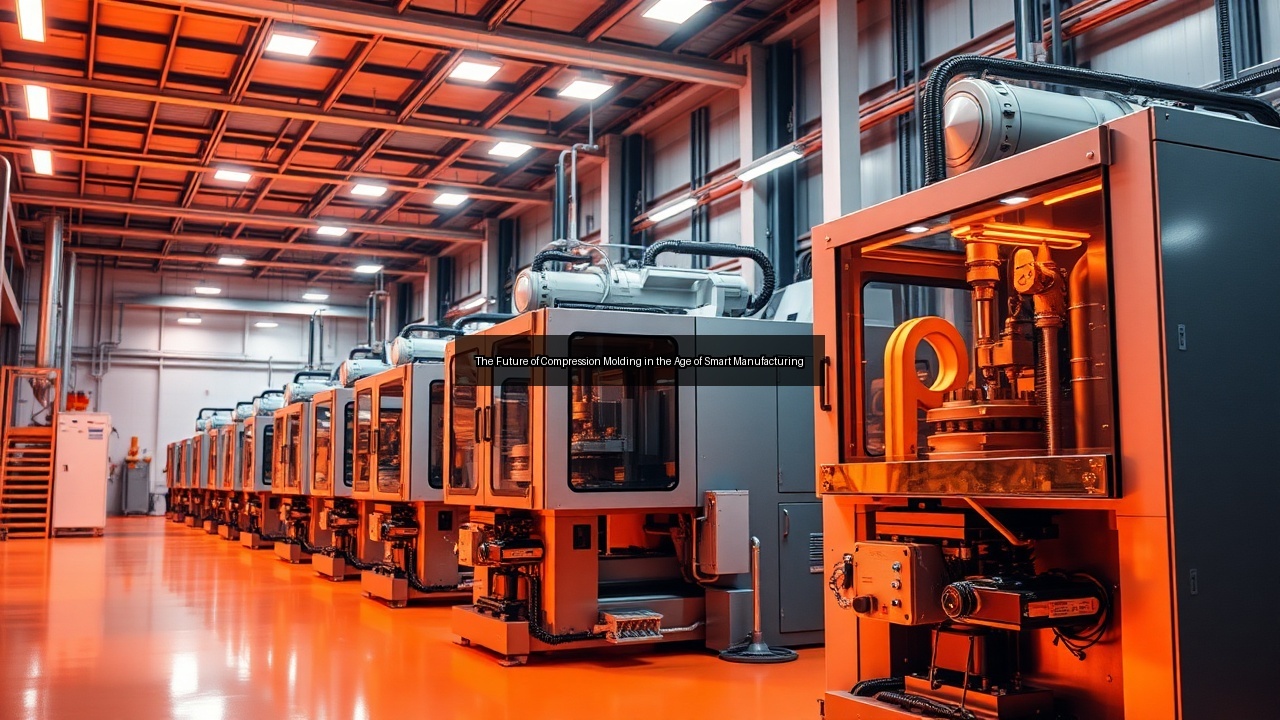
The Evolution of Compression Molding in Smart Manufacturing
Overview of Compression Molding Processes
Compression molding stands as a pivotal process in the manufacturing realm, particularly for producing complex shapes and components efficiently. This technique involves placing raw materials, often in the form of preheated thermosetting plastics or rubber, into a heated mold. The mold then compresses the material under high pressure, causing it to conform to the mold's shape. Once cooled, the mold opens, and the finished part is ejected. This process allows for high-volume production of intricate designs, making it a favored choice for industries that require precision and durability in their components. The versatility of compression molding makes it suitable for fabricating a wide array of products, ranging from automotive parts to consumer goods.
Historical Context: From Traditional to Smart Manufacturing
The journey of compression molding began in the early 20th century, rooted in traditional manufacturing techniques. Initially, craftsmen manually operated molding processes, relying on skill and experience to yield quality results. As industries grew and demands increased, automation gradually introduced efficiency and consistency. The transition from traditional methods to smart manufacturing marked a significant turning point. The integration of digital technologies transformed compression molding from a labor-intensive operation into a streamlined, data-driven process. Today’s smart manufacturing systems leverage real-time data analytics, enabling manufacturers to optimize production schedules, improve quality control, and reduce waste.
The Role of Automation in Compression Molding
Automation plays a crucial role in the modern compression molding process. Automated systems enhance precision, reduce human error, and accelerate production rates. Advanced robotics are now capable of handling material loading, mold opening and closing, and part ejection with remarkable accuracy. This level of automation not only improves efficiency but also allows manufacturers to maintain tighter tolerances on their products. Moreover, automated monitoring systems can track the entire molding process, providing valuable insights that help in predictive maintenance and troubleshooting. Manufacturers embracing automation in compression molding can expect significant cost savings and improved product quality, further solidifying their competitive edge in the marketplace.
Technological Advancements Enhancing Compression Molding
Integration of IoT in Compression Molding
The Internet of Things (IoT) has revolutionized various manufacturing processes, including compression molding. By integrating IoT devices, manufacturers can collect and analyze data from multiple stages of the molding process. Sensors embedded in compression molds monitor temperature, pressure, and cycle times in real-time, providing instant feedback to operators. This capability enables manufacturers to make immediate adjustments, ensuring optimal conditions for each molding cycle. Furthermore, IoT technology facilitates predictive maintenance, allowing companies to anticipate equipment failures before they occur. The result is a more efficient and reliable compression molding service that enhances overall production quality and reduces downtime.
Impact of Advanced Materials on Molding Capabilities
Advancements in material science have significantly impacted the capabilities of compression molding. Manufacturers now have access to high-performance materials such as advanced thermoplastics and composites that enhance the strength and durability of molded parts. These materials exhibit improved resistance to heat, chemicals, and mechanical stress, making them ideal for demanding applications across various industries. Additionally, the development of biodegradable and recycled materials aligns with sustainability goals, allowing manufacturers to produce eco-friendly products without compromising quality. The ability to work with diverse materials expands the range of applications for compression molded products, driving innovation and meeting the evolving needs of different markets.
Smart Compression Molds: Features and Benefits
Smart compression molds equipped with cutting-edge technology offer numerous advantages over traditional molds. Features like temperature control systems and pressure sensors enhance the precision of the molding process. These smart molds can automatically adjust parameters based on real-time feedback, ensuring optimal conditions throughout the production cycle. Benefits include reduced cycle times, improved product consistency, and the ability to manufacture complex geometries with ease. Additionally, smart molds can contribute to significant cost savings by minimizing material waste and enhancing overall efficiency. Manufacturers investing in smart compression molds position themselves at the forefront of innovation, capable of responding swiftly to market demands and customer needs.
Applications of Compression Molding in Various Industries
Utilization in Food and Beverage Industry
The food and beverage industry heavily relies on compression molding for producing various components, including lids, containers, and seals. These molded products must meet stringent safety and quality standards, and compression molding provides the precision necessary for such applications. The materials used in compression molded items for this sector are often designed to be non-toxic and resistant to various environmental factors, ensuring that they maintain integrity during storage and transport. Moreover, the ability to create intricate designs allows for enhanced branding opportunities through customized shapes and logos on packaging. As consumer demand for sustainable products rises, compression molding processes using biodegradable materials are gaining traction, further aligning with industry trends.
Role in Medications and Healthcare Devices
Compression molding plays a vital role in the healthcare sector, where precision and reliability are paramount. The process is widely utilized for manufacturing components of medical devices, such as housings, seals, and connectors. These components often require stringent compliance with regulatory standards and must be produced with impeccable accuracy. Compression molded parts provide the durability and strength needed for healthcare applications, ensuring that devices function correctly under demanding conditions. Moreover, the ability to produce specialized shapes and sizes allows for customization tailored to specific medical applications, thereby enhancing the overall effectiveness and safety of healthcare solutions.
Applications in Hardware and O-Ring Manufacturing
Compression molding excels in the production of hardware components and O-rings, essential elements in various mechanical assemblies. The process allows manufacturers to create O-rings with precise dimensions and tolerances, critical for ensuring leak-proof seals in applications ranging from automotive to aerospace. Compression molded hardware components can withstand significant stress and temperature fluctuations, making them reliable in demanding environments. Additionally, manufacturers can customize the material selection to meet specific requirements, such as chemical resistance or flexibility. The efficiency and scalability of compression molding make it a preferred choice for producing high-quality hardware and sealing solutions across multiple industries.
The Future Landscape of Compression Molding Services
Market Trends and Predictions
The compression molding market is poised for significant growth as industries increasingly adopt smart manufacturing practices. Trends indicate a rising demand for lightweight, high-strength materials that enhance product performance while reducing overall weight. Additionally, the shift towards sustainability will drive innovations in eco-friendly materials and processes. As manufacturers continue to leverage automation and IoT technologies, the focus will shift toward developing more efficient, data-driven compression molding services. Predictions suggest that companies that invest in advanced technologies and sustainable practices will lead the market, capturing new opportunities and responding to evolving customer needs effectively.
Challenges and Opportunities for Manufacturers
Despite the promising future of compression molding, manufacturers face several challenges. Supply chain disruptions and fluctuating material costs can impact production timelines and profitability. Furthermore, the need for skilled labor capable of operating advanced technologies presents an ongoing challenge. However, these challenges also pave the way for opportunities. Manufacturers that invest in employee training and development programs can build a skilled workforce ready to tackle modern molding technologies. Additionally, those who embrace innovative materials and sustainable practices can differentiate themselves in a competitive market, appealing to environmentally conscious consumers and industries.
Sustainability in Compression Molding Practices
Sustainability has become a central focus in the compression molding industry, with manufacturers actively seeking ways to minimize their environmental impact. This includes adopting recycling initiatives, using renewable materials, and optimizing energy consumption during production. The introduction of biodegradable and recyclable materials in compression molding processes aligns with global sustainability goals and consumer preferences for eco-friendly products. Furthermore, manufacturers are exploring closed-loop systems that reduce waste and maximize resource efficiency. By prioritizing sustainability, compression molding services can contribute positively to environmental conservation while meeting the growing demand for responsible manufacturing practices.
See Also
- How Compression Molding is Transforming the Plastics Industry
- Innovations in Compression Molding for Sustainable Manufacturing
- Leveraging Compression Molding for High-Volume Production Runs
- The Essential Guide to Compression Mold Maintenance and Care
- The Impact of Compression Molding on the Medical Device Industry