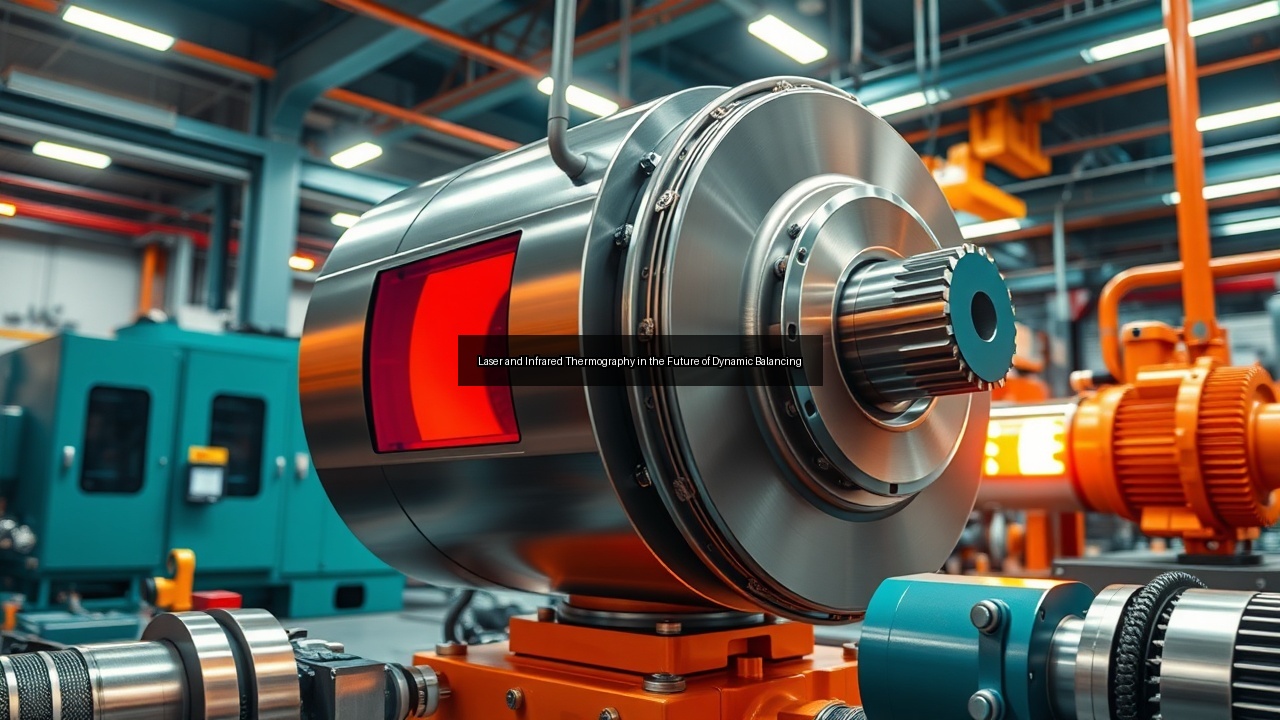
Laser and Infrared Thermography in the Future of Dynamic Balancing
The Evolution of Dynamic Balancing Services
Historical Overview of Dynamic Balancing Techniques
Dynamic balancing has undergone a remarkable transformation since its inception. Initially, operators relied on rudimentary methods that involved manual adjustments and physical trial-and-error to achieve balance. Early techniques often lacked precision, leading to inefficiencies in various machines such as pumps, compressors, and electric motors. Over time, the demand for higher performance and reliability ushered in the development of motor balancers more sophisticated dynamic balancing services. Engineers began incorporating advanced mathematical models and computational techniques, which enabled a more accurate analysis of motion and vibration patterns. This evolution laid the foundation for the modern dynamic balancing process, where precision is paramount.
Emergence of Laser and Infrared Thermography
The introduction of laser technology and infrared thermography marked a pivotal moment in dynamic balancing services. Laser devices provided a non-contact method to measure rotational speed and alignment with unparalleled accuracy. Meanwhile, infrared thermography emerged as an essential tool for condition monitoring, offering insights into temperature variations that can indicate underlying issues such as corrosion or mechanical wear. Together, these technologies revolutionized how engineers assess the health of rotating equipment. They enabled real-time inspections that not only improved the balancing process but also enhanced overall operational reliability. This synergy between laser and infrared technologies positioned dynamic balancing as a cutting-edge service within the engineering landscape.
Current Trends in Dynamic Balancing Technologies
Current trends in dynamic balancing technologies emphasize automation and data integration. Companies increasingly utilize software that merges data from various sensors, including ultrasonic sensors, to provide comprehensive insights into machine performance. This data-driven approach allows for predictive maintenance, reducing downtime and extending the lifespan of vital components. Additionally, the emphasis on sustainability drives innovation in balancing solutions, as industries seek eco-friendly practices that minimize waste while maximizing efficiency. The use of ISO 9001 certification ensures that dynamic balancing services adhere to high-quality standards, reinforcing trust and reliability among clients. As these trends continue to evolve, dynamic balancing will play a critical role in optimizing machine performance across numerous sectors.
Integration of Advanced Technologies in Dynamic Balancing
Role of Laser Technology in Enhancing Accuracy
Laser technology has revolutionized the quest for precision in dynamic balancing service. By employing laser beams to detect misalignments and imbalances, engineers can achieve an unprecedented level of accuracy. This non-invasive method eliminates the need for physical contact, reducing the risk of interference with the machinery's operation. Laser systems can calculate the necessary corrections in real-time, allowing for immediate adjustments that enhance the operational efficiency of compressors, pumps, and other rotating equipment. The use of laser technology also facilitates the balancing of complex rotors where traditional methods might fall short. This advancement not only improves the performance of individual machines but also contributes to the overall efficiency of entire plants.
Utilization of Infrared Thermography for Condition Monitoring
Infrared thermography plays a crucial role in condition monitoring, significantly enhancing dynamic balancing services. By capturing thermal images of machinery, infrared sensors detect temperature anomalies that could indicate potential issues, such as overheating bearings or misalignment. This proactive approach allows operators to address problems before they escalate into costly failures, thus improving reliability and performance. In industries reliant on critical machinery, such as gas turbines and compressors, timely insights from infrared thermography can optimize maintenance schedules and reduce unexpected downtime. The integration of this technology into dynamic balancing processes not only streamlines inspections but also electric motor balancer reinforces a culture of preventative maintenance that aligns with sustainability goals.
Impact of Ultrasonic Sensors on Balancing Efficiency
Ultrasonic sensors have emerged as a vital component in enhancing balancing efficiency. These sensors provide real-time data on vibrations and noise levels, allowing engineers to identify imbalances and mechanical issues quickly. The integration of ultrasonic technology into dynamic balancing services enables operators to monitor machinery continuously, offering insights that lead to timely interventions. This capability is particularly beneficial in high-stakes environments where even minor imbalances can lead to significant operational disruptions. The synergy between ultrasonic sensors and other technologies, such as laser and infrared systems, creates a comprehensive monitoring ecosystem that enhances the reliability of rotating equipment. As industries strive for greater efficiency and reduced environmental impact, the role of ultrasonic sensors in dynamic balancing becomes increasingly crucial.
Applications of Dynamic Balancing in Various Industries
Dynamic Balancing in Gas Turbines and Compressors
Dynamic balancing services are essential in the operation of gas turbines and compressors. These machines handle high-speed rotations and significant forces, where even the slightest imbalance can lead to catastrophic failures. Implementing dynamic balancing helps maintain optimal performance and prolongs the lifespan of these critical components. Engineers conduct thorough inspections to identify any misalignments or imbalances, employing advanced techniques like laser and infrared thermography for precision. The result is enhanced reliability, improved efficiency, and reduced operational costs for gas turbines and compressors. As industries increasingly demand efficiency, the importance of dynamic balancing in these applications cannot be overstated.
Importance of Dynamic Balancing in Pump Operations
Pumps are pivotal in various industries, from oil and gas to water treatment. Dynamic balancing ensures that pumps operate smoothly, minimizing vibrations that can lead to mechanical wear and tear. By employing dynamic balancing services, operators can achieve smoother operation, increasing the efficiency of liquid transport while reducing energy consumption. Regular maintenance through balancing also prevents downtime, ensuring that pumps remain operational during critical periods. The combination of advanced technologies like infrared thermography and ultrasonic sensors aids in monitoring pump performance and identifying potential issues before they escalate. Consequently, dynamic balancing becomes a cornerstone of effective pump operation and maintenance strategies.
Balancing Solutions for Electric Motors and Gears
Electric motors and gears are ubiquitous in modern machinery, playing a vital role across numerous industries. Dynamic balancing services ensure that these components operate at optimal levels, reducing wear and extending their lifespan. The balancing process involves precise measurement and adjustment to achieve a harmonious operation, which is crucial in preventing unexpected failures. Advanced instrumentation, including laser technology and electric motor balancer condition monitoring systems, provides engineers with the necessary data to make informed decisions regarding maintenance and balancing. As industries strive for increased efficiency and reliability, the demand for effective dynamic balancing solutions for electric motors and gears continues to rise.
Future Prospects and Sustainability in Dynamic Balancing
Innovations Driving Sustainable Balancing Solutions
The future of dynamic balancing is closely tied to innovations that promote sustainability. As industries face increasing pressure to reduce their carbon footprint, dynamic balancing services evolve to incorporate eco-friendly practices. Innovations in materials, energy-efficient technologies, and advanced monitoring systems contribute to sustainable operations. For instance, integrating renewable energy sources into the balancing process minimizes environmental impact while ensuring optimal performance. As engineers focus on developing sustainable solutions, dynamic balancing emerges as a vital component in creating a more responsible manufacturing ecosystem that prioritizes both efficiency and environmental stewardship.
The Role of ISO Certification in Quality Assurance
ISO certification, particularly ISO 9001, plays a critical role in ensuring the quality of dynamic balancing services. This certification reflects adherence to internationally recognized standards that prioritize consistency and reliability. Companies that achieve ISO certification demonstrate their commitment to providing high-quality dynamic balancing services, instilling confidence in clients across various sectors. By maintaining rigorous quality assurance protocols, these companies can optimize their processes, reduce errors, and enhance overall customer satisfaction. As industries increasingly recognize the importance of quality, ISO certification becomes a hallmark of reputable dynamic balancing services.
Enhancing Reliability and Performance through Calibration and Audit
Calibration and audit processes are integral to enhancing the reliability and performance of dynamic balancing services. Regular audits ensure that balancing machines and methodologies align with industry standards, thereby maintaining accuracy. Calibration of equipment guarantees that measurements remain consistent and reliable, which is crucial for achieving optimal balancing results. By investing in these processes, companies not only improve their operational efficiency but also reinforce their commitment to providing high-quality services. The emphasis on continuous improvement aligns with the broader industry trend towards sustainable practices, enabling organizations to meet regulatory requirements while advancing their dynamic balancing capabilities.