How Bulk Oil Storage Can Enhance Operational Efficiency
The Importance of Bulk Oil Storage in Operations
Enhancing Efficiency with Bulk Oil Systems
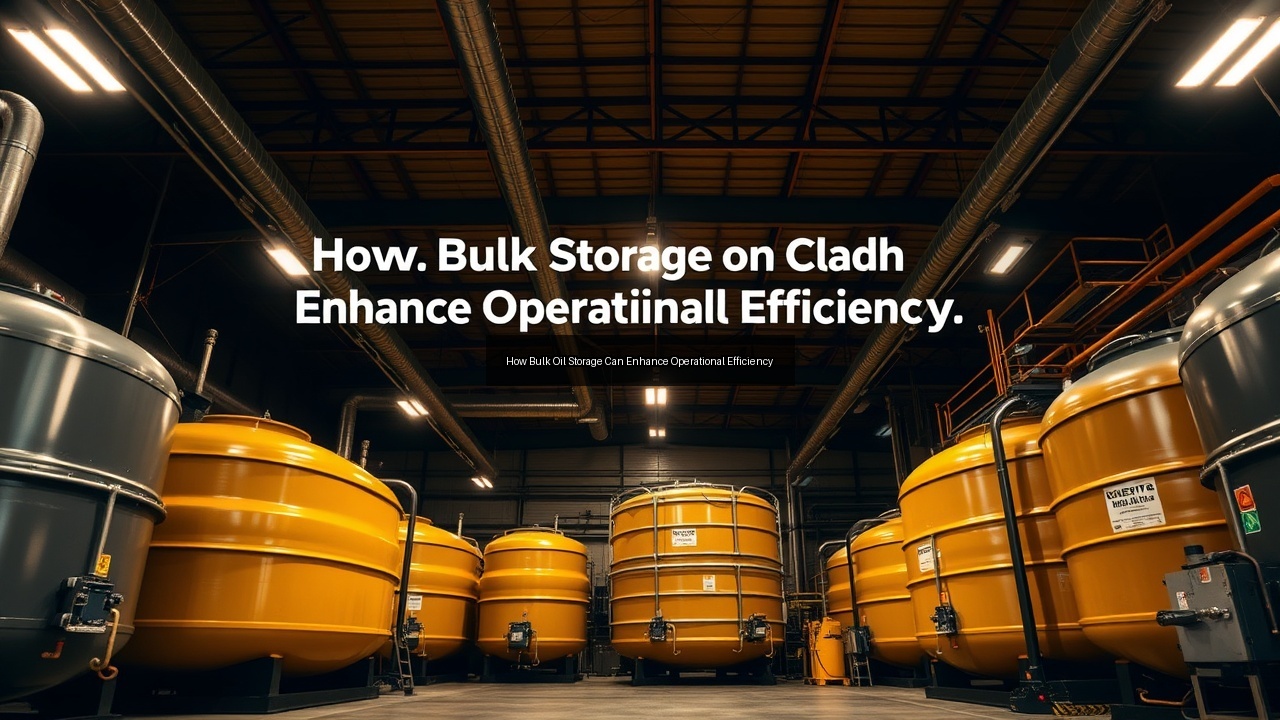
Bulk oil storage and dispensing systems play a crucial role in enhancing operational efficiency across various industries. These systems allow businesses to store large quantities of lubricants, hydraulic fluids, and other oils in a centralized location, which simplifies the dispensing process. By reducing the frequency of deliveries, companies save on transportation costs and minimize downtime associated with frequent refueling. Bulk oil systems also streamline inventory management. Operators can easily monitor oil levels, track usage, and reorder supplies when necessary, ensuring that operations run smoothly without interruptions. Moreover, a well-organized bulk oil storage setup can reduce the risk of spills and leaks, promoting a safer working environment.
Compliance with OSHA and EPA Regulations
Adherence to OSHA and EPA regulations stands as a critical aspect of bulk oil storage. The Occupational Safety and Health Administration (OSHA) sets standards for the safe handling and storage of hazardous materials, including oils and lubricants. Compliance with these regulations not only protects workers but also safeguards the environment. Facilities must implement proper storage tanks that meet regulatory requirements, ensuring that they are constructed from suitable materials, such as welded steel or polyethylene, to prevent leaks. The Environmental Protection Agency (EPA) also mandates stringent guidelines for oil storage to prevent contamination of soil and water sources. A robust bulk oil storage system allows businesses to meet these compliance standards effectively, reducing the risk of costly fines and reputational damage.
Fire Safety Considerations for Oil Storage
Fire safety remains a paramount concern in bulk oil storage. Oils and lubricants are flammable, making it essential to incorporate fire safety measures into the storage design. Properly designed storage tanks should include features such as secondary containment to prevent spills and reduce fire hazards. Facilities must also conduct regular inspections and maintenance to ensure that all equipment meets safety standards. Implementing fire suppression systems, such as sprinklers or foam, can further enhance safety in areas where bulk oil is stored. Training employees on fire safety protocols and emergency procedures is equally vital, bulk oil dispensing systems ensuring they know how to respond effectively in case of a fire incident. By prioritizing fire safety, businesses can protect their assets and maintain a safe working environment.
Types of Bulk Oil Storage and Dispensing Systems
Steel vs. Polyethylene Tanks
Selecting the right type of storage tank is critical when establishing a bulk oil storage system. Steel tanks offer durability and resistance to damage, making them suitable for various applications, particularly in industrial settings. Welded steel tanks can withstand high pressures and provide a secure environment for storing hazardous materials. On the other hand, polyethylene tanks are lightweight and offer excellent resistance to corrosive substances. They are often favored for their ease of installation and portability. Both options have their advantages, and the choice depends on specific operational needs, local regulations, and budget constraints. Regardless of the material, proper installation and maintenance are crucial to ensuring the longevity and safety of bulk oil storage tanks.
Gravity Feed vs. Pneumatic Dispensing Systems
The choice between gravity feed and pneumatic dispensing systems significantly impacts the efficiency of bulk oil dispensing. Gravity feed systems rely on the natural force of gravity to transfer oil from the tank to the dispensing point. These systems are simple and cost-effective, making them a popular choice for many businesses. However, they may not always provide the speed or precision required in high-demand environments. Pneumatic dispensing systems, on the other hand, utilize compressed air to move oil, offering faster and more controlled dispensing. This system reduces the risk of spills and waste, ensuring that operators dispense the exact amount needed. Considering factors such as flow rate, ease of use, and maintenance requirements can help businesses choose the right dispensing system for their operations.
Benefits of Using Skids and 55 Gallon Drums
Skids and 55-gallon drums offer versatile solutions for bulk oil storage and dispensing. Skids, often equipped with pumps, provide a portable and organized method for managing oil. They facilitate easy movement around the facility, allowing for efficient dispensing at various locations. These systems often include built-in containment features to prevent spills and leaks, enhancing safety. Meanwhile, 55-gallon drums serve as a traditional yet effective storage solution. They are widely available and can be easily integrated into existing systems. Both skids and drums can be fitted with various dispensing options, including gravity feed and pneumatic systems, maximizing flexibility. Utilizing these storage options results in improved organization, reduced waste, and enhanced operational efficiency.
Optimizing Maintenance Through Effective Oil Management
Filtration Systems for Lubrication Oil
Effective oil management relies heavily on the implementation of filtration systems for lubrication oil. Filtration plays a critical role in maintaining the quality and longevity of oil used in machinery. Contaminants such as dirt, metal particles, and moisture can lead to increased wear and tear on equipment, resulting in costly repairs and downtime. By incorporating advanced filtration systems into bulk oil storage and dispensing setups, businesses can ensure that only clean oil is used. Regularly replacing filters and monitoring oil quality are essential practices that contribute to optimal machinery performance and extended equipment lifespan. Additionally, businesses can implement oil analysis programs to assess the condition of lubricants, allowing for timely interventions and maintenance.
Managing Waste Oil and Environmental Impact
Managing waste oil presents a significant challenge for businesses utilizing bulk oil storage systems. Improper disposal of waste oil can have detrimental effects on the environment, leading to soil and water contamination. Establishing a clear waste oil management plan is crucial. This plan should include designated collection systems, proper storage tanks for waste oil, and a partnership with certified waste disposal companies. Implementing these strategies not only ensures compliance with environmental regulations set by the EPA but also promotes sustainability within operations. Additionally, businesses can explore recycling options for waste oil, converting it into usable products, thus minimizing environmental impact and contributing to a circular economy.
Best Practices for Bulk Oil Storage and Dispensing
Adopting best practices for bulk oil storage and dispensing enhances efficiency and safety. Regular maintenance of storage tanks is essential, including inspections for leaks and corrosion. Establishing a consistent inventory management system helps track oil levels and usage rates, preventing overstocking and waste. Training employees on proper handling and dispensing procedures reduces the risk of spills and accidents. Implementing secondary containment measures and spill response plans further enhances safety protocols. Additionally, leveraging technology, such as automated monitoring systems, can provide real-time insights into oil levels and quality. By following these best practices, businesses can optimize their bulk oil storage and dispensing systems, resulting in improved operational efficiency and environmental responsibility.